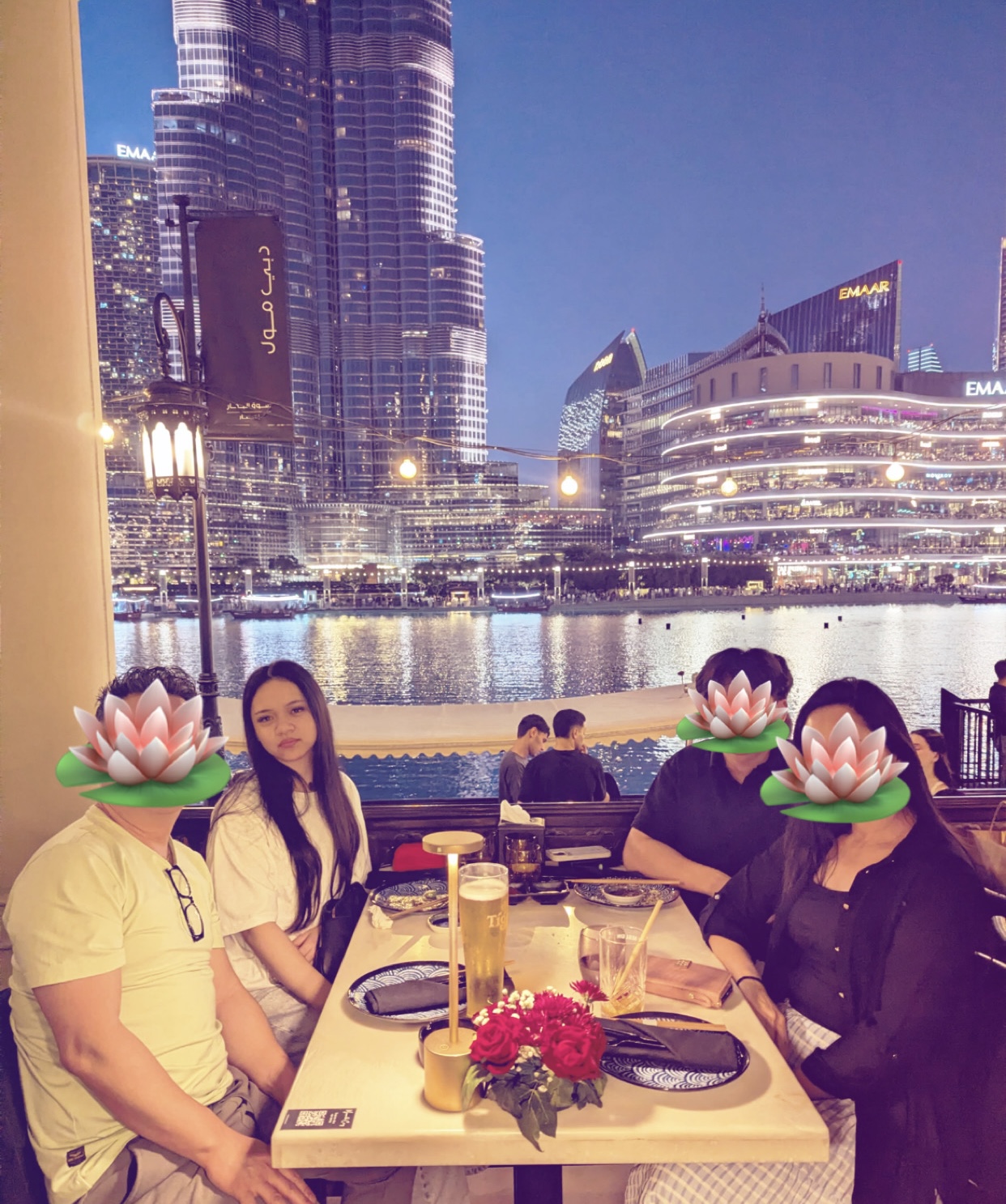
Second-year CMD student at Hogeschool Rotterdam. I bring structure to complex information and turn it into interfaces people enjoy using.
About me
I'm Lisa Tran, a CMD student based in Rotterdam. I care about clarity, structure, and originality in everything I design. My focus is on UI design — especially web and app interfaces where I can bring order to complexity.
I feel most at home when I can improve an existing design. I like simplifying layouts, creating visual hierarchy, and shaping interfaces that feel clean without losing their purpose.
My goal is to work at a creative digital agency where I can grow as a designer, learn from experienced professionals, and contribute to products that people actually enjoy using.
Selected work
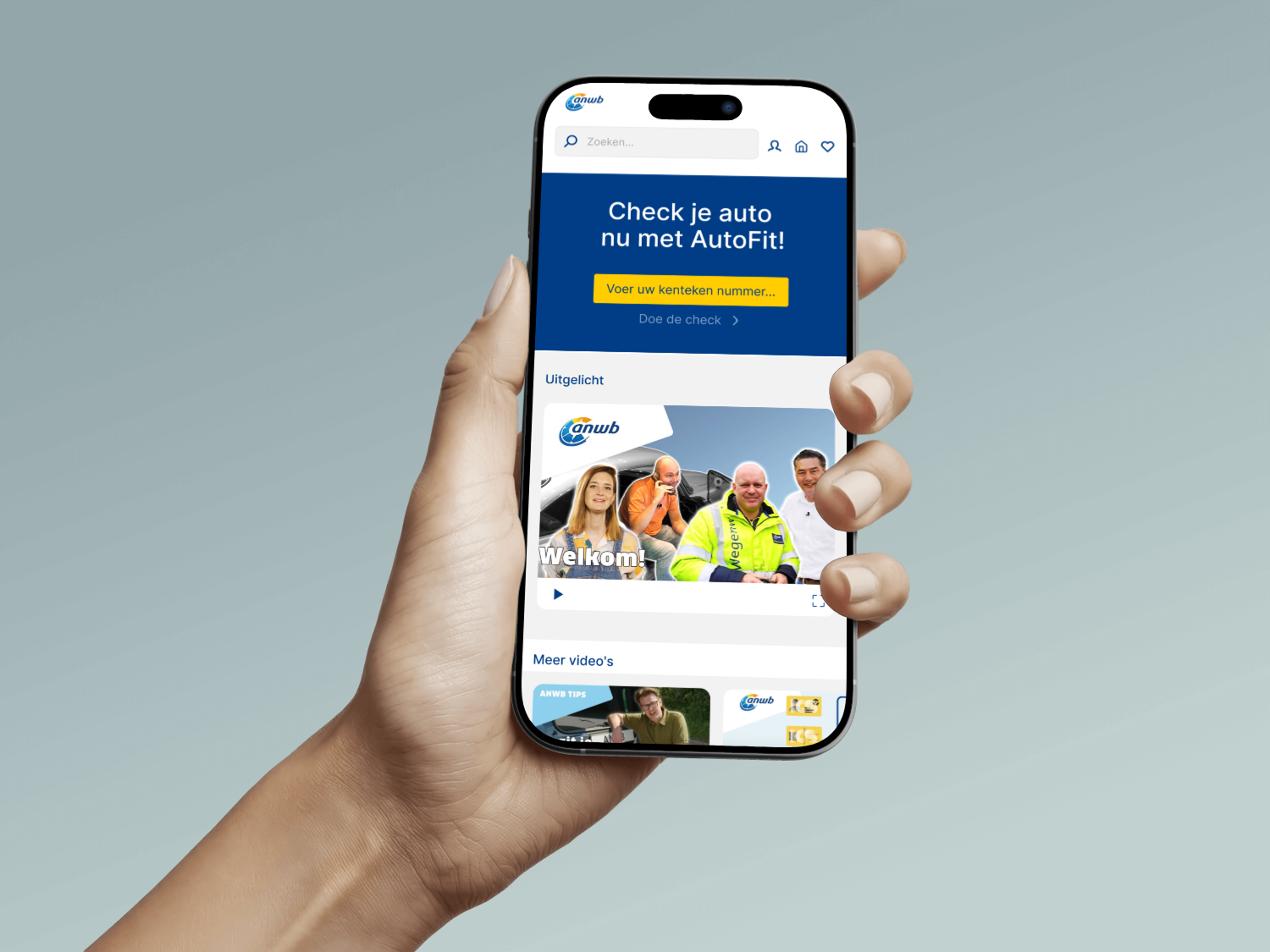
Designed the UI and built a component library in Figma for a roadside assistance app, working in a team of five.
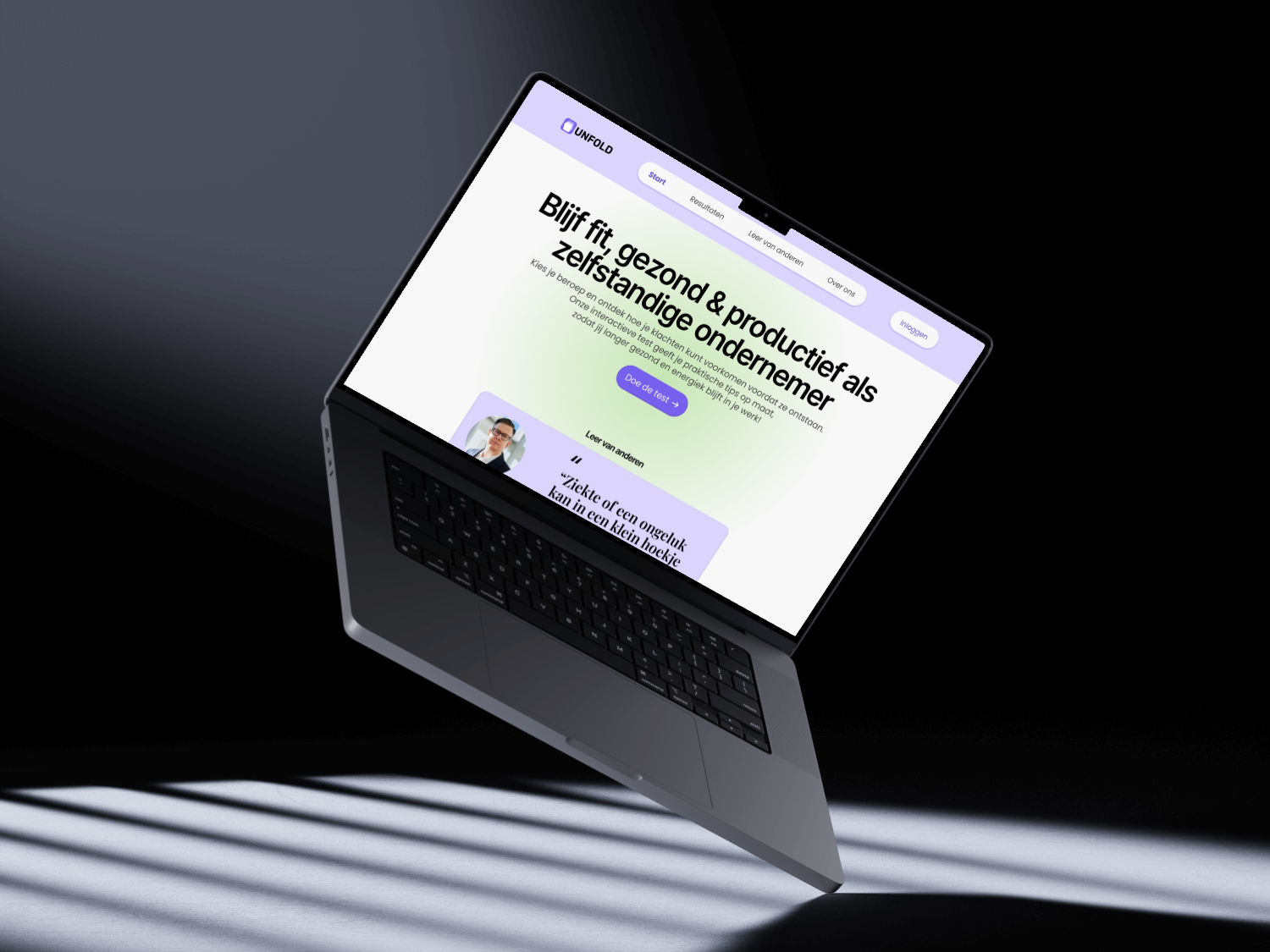
Read case studyCreated an accessible, calm digital experience that helps freelancers reflect on their risks.
Read case studySkills & tools
Clean layouts, consistent spacing, and visual hierarchy that feels intuitive. This is where I shine — turning complexity into clarity.
Affinity mapping, PACT analysis, and usability testing.
Tokens, components, and reusable patterns.
Auto layout, components, variants, prototyping — my daily driver.
Typography, color theory, and spacing. Polished and purposeful.
Clear communication with developers and stakeholders. Team-first mindset — I believe the best work comes from working together.
Get in touch
Looking for a UI/UX design internship starting September 2026. Based in Rotterdam, open to Eindhoven.
Case Study
For the project FixVooruit, our team of five worked with ANWB to improve the experience around roadside assistance. The goal was to design a digital solution that makes the process of getting help clearer and less stressful for users with limited technical knowledge.
I took on the role of UI/UX designer. As the project progressed, my interest gravitated towards UI — specifically the structuring of screens and building of reusable components. I became responsible for the visual consistency of the product.
One of my key contributions was building a component library in Figma. I created reusable elements — buttons, input fields, cards, navigation patterns — with consistent styling and auto layout. This allowed the team to work faster and ensured visual consistency across all screens.
I designed the mobile layouts, translating research insights into a clear interface. I focused on information hierarchy so users could find what they needed intuitively. Every screen was built with the component library, keeping the design scalable.
This project confirmed my direction as a UI designer. I thrive when I can bring structure to complex information. Building the component library taught me the value of systematic thinking: when the foundation is solid, the whole team benefits.
Case Study
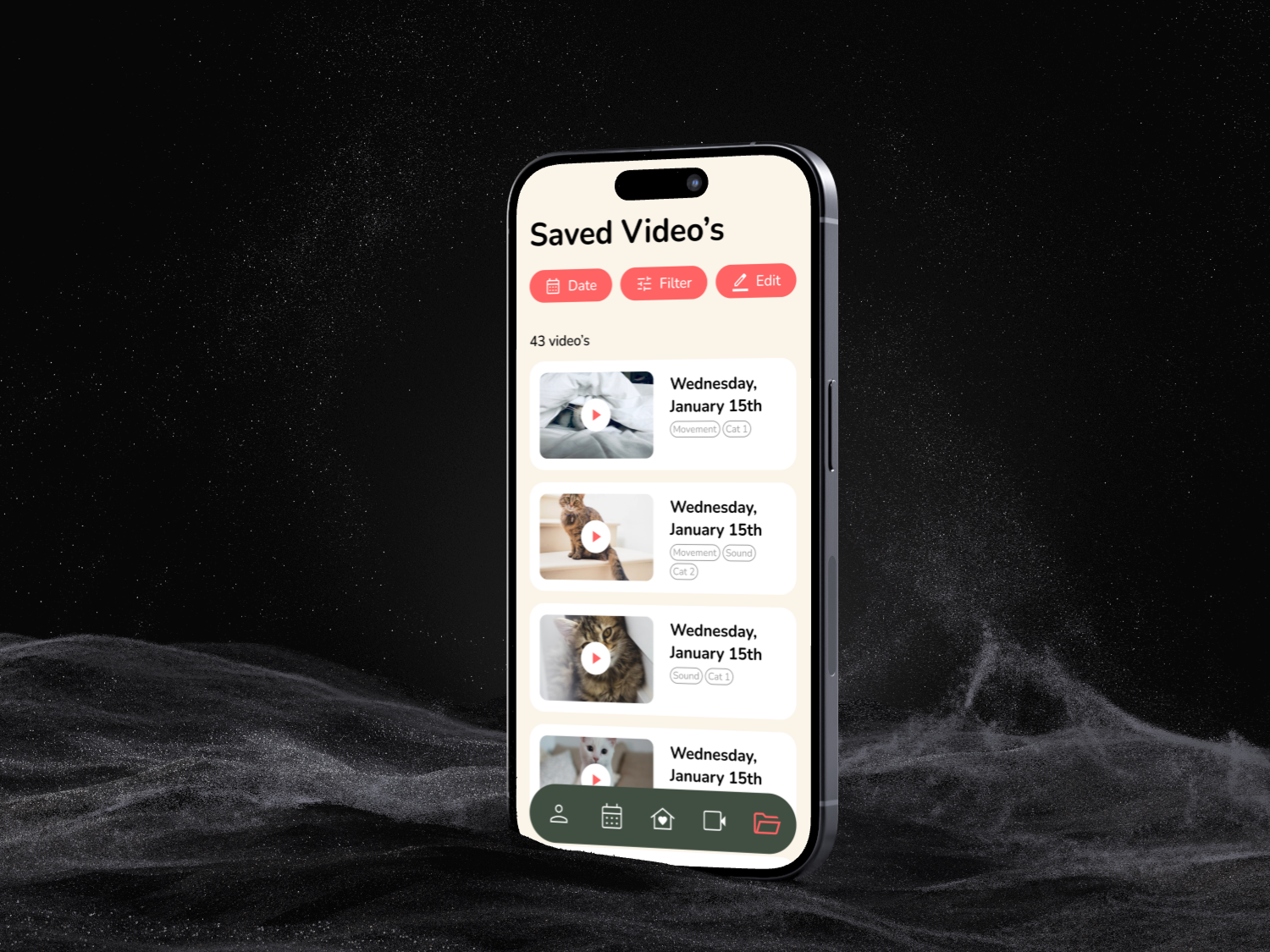
During Design Challenge 1, my team worked for the Social Design Factory on freelancer wellbeing. How can we help freelancers become more aware of the risks of isolation and the inability to switch off?
I focused on structure before visuals. Using the 8pt grid brought consistency to every screen. I created text styles, color styles, components, and variants — making collaboration smoother and reducing inconsistencies.
This project helped me understand who I am as a designer. I bring structure, calm, and clarity into complex problems. I work best when I can improve and refine, and sharing my process earlier leads to better results.